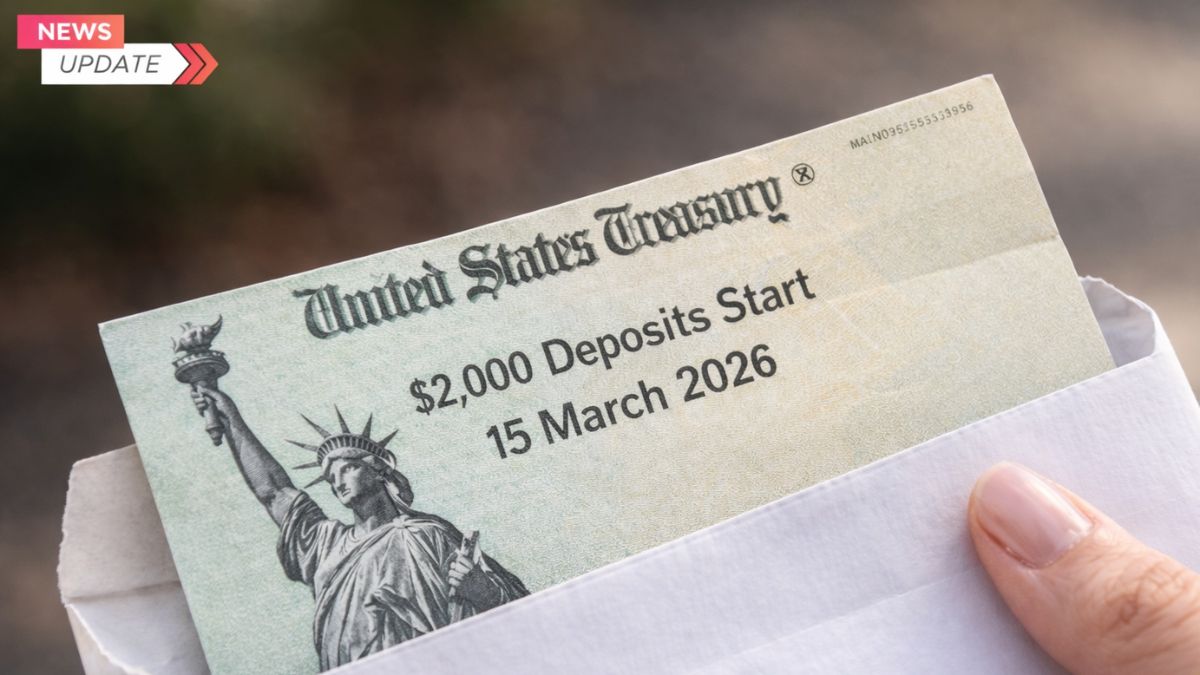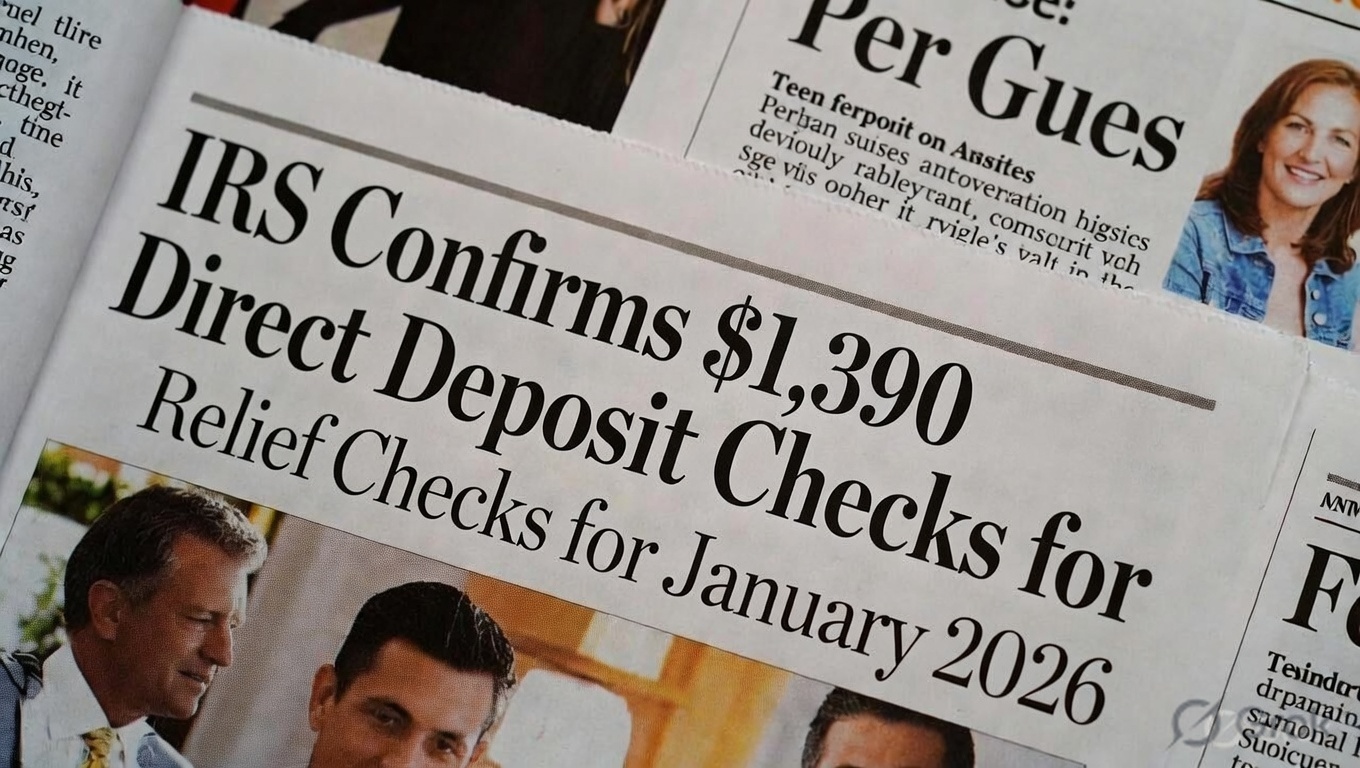
New $2,000 Stimulus Proposal: In recent weeks, many posts on social media and websites have been discussing a possible $2,000 stimulus payment for Americans in March 2026. These claims have quickly spread online, leading many people to believe that the government is preparing to send another round of financial relief checks. Because previous stimulus payments were issued during difficult economic periods, people naturally pay close attention whenever news about new payments appears.
However, it is important to understand that much of this information is based on speculation rather than confirmed government policy. While discussions about a potential payment exist, there has been no official announcement from federal authorities confirming that a $2,000 check will be distributed in March 2026. Understanding the difference between proposals and approved programs is essential before expecting any payment.

What the Tariff Dividend Proposal Means
The rumor about the $2,000 stimulus check comes mainly from a concept known as the “tariff dividend.” This idea suggests that the money collected by the government from tariffs on imported goods could be returned to citizens as direct payments. Tariffs are taxes placed on products brought into the United States from other countries, and they generate revenue for the federal government.
Supporters of the tariff dividend idea believe that some of this tariff income could be shared with American households in the form of a dividend-style payment. Under this proposal, the government would collect tariffs from foreign imports and then distribute a portion of that money back to citizens. Some discussions suggested that each eligible household might receive around $2,000 if the plan were implemented.
Why the $2,000 Payment Is Not Official
Despite the attention the proposal has received online, the tariff dividend is still only a policy idea and has not been turned into law. In the United States, any new government spending program must be approved by Congress before it can be implemented. This means that lawmakers must pass a bill authorizing the program, and the president must sign it into law before any payments can be issued.

At the moment, no legislation approving a $2,000 tariff dividend has been passed. Because of this, the Internal Revenue Service (IRS) has no authority to send such payments to citizens. Without congressional approval, there is no legal mechanism for the government to distribute these funds.
The Financial Challenges Behind the Proposal
Another reason the proposal has not moved forward is the financial challenge involved in funding it. Sending $2,000 payments to millions of Americans would require a massive amount of money. Estimates suggest that the total cost of such a program could reach hundreds of billions of dollars if the payments were distributed nationwide.
Economists have pointed out that current tariff revenue may not be large enough to support a program of that size. While tariffs do generate government income, the total collected each year may fall far short of what would be required to provide $2,000 payments to every eligible household. Because of this gap between expected revenue and the cost of payments, many experts believe the plan would face significant budget concerns.

Possible Eligibility If the Program Ever Happens
Although the tariff dividend has not been approved, some early discussions suggested possible guidelines for who might qualify if the program were ever created. These ideas are only preliminary suggestions and have not been finalized in any official proposal. Still, they give an idea of how such a program could potentially work in the future.
Some policy discussions suggested that payments might be limited to U.S. citizens or permanent residents who meet certain income requirements. For example, households earning below a specific income threshold, such as around $100,000 per year, might qualify. Adults over the age of 18 could be eligible, and individuals would likely need to file federal tax returns to receive the payment.
Why March 2026 Is Being Mentioned
One of the reasons people are expecting payments soon is because some online reports mention March 2026 as a possible distribution date. However, this timeline appears to come from speculation rather than official announcements. Some analysts have suggested that if such a program were ever approved, payments could potentially occur later in 2026.

Others have noted that large economic policy proposals sometimes appear during election cycles when governments discuss financial relief measures. However, there has been no confirmed schedule or government plan indicating that payments will happen in March or any other specific month.
Legal and Policy Concerns
Beyond financial questions, the tariff dividend proposal also faces several legal and policy challenges. Experts in government policy explain that large rebate programs require clear legislative approval and a defined funding structure. Without those elements, the proposal cannot move forward.
In addition, tariff policies themselves can change based on international trade decisions and court rulings. If tariff rates were reduced or trade policies changed, the amount of revenue available to fund such payments could decrease. These uncertainties make it difficult to rely on tariffs as a long-term funding source for nationwide payments.

The Risk of Stimulus Payment Scams
Whenever rumors about government stimulus checks begin spreading online, scammers often attempt to take advantage of the situation. Fraudulent messages may claim that individuals must provide personal information or pay a fee to receive their payment. These scams can appear through emails, text messages, or social media posts.
Government agencies repeatedly warn that legitimate payments from federal programs never require people to pay a processing fee or submit personal information through unofficial links. The IRS usually communicates with taxpayers through official letters and secure government websites. Anyone who receives suspicious messages about stimulus payments should be cautious and verify the information through official government sources.
Staying Informed With Reliable Information
Because misinformation can spread quickly online, it is important to rely on trustworthy sources when it comes to government payments. Official announcements from government agencies, financial institutions, and reputable news organizations are the best ways to confirm whether a stimulus program actually exists.

Until Congress passes legislation approving a tariff dividend or another form of stimulus program, no $2,000 payment has been authorized. People should avoid making financial plans based on unconfirmed reports circulating on the internet.
Conclusion
The idea of a $2,000 stimulus payment funded by tariff revenue has attracted significant attention online, but it remains only a proposal at this stage. No law has been passed approving the tariff dividend, and no federal agency has announced plans to distribute payments in March 2026. Without congressional approval and a confirmed funding structure, such payments cannot be issued.
For now, Americans should approach claims about immediate $2,000 stimulus checks with caution. While discussions about economic relief programs may continue in the future, any real payment program would first require legislation, detailed eligibility rules, and official government confirmation.

Disclaimer
This article is intended for informational purposes only. The proposed $2,000 tariff dividend stimulus payment has not been approved by the United States government, and no official payment schedule currently exists. Eligibility requirements, payment amounts, and timelines could change if new legislation is introduced or approved in the future.