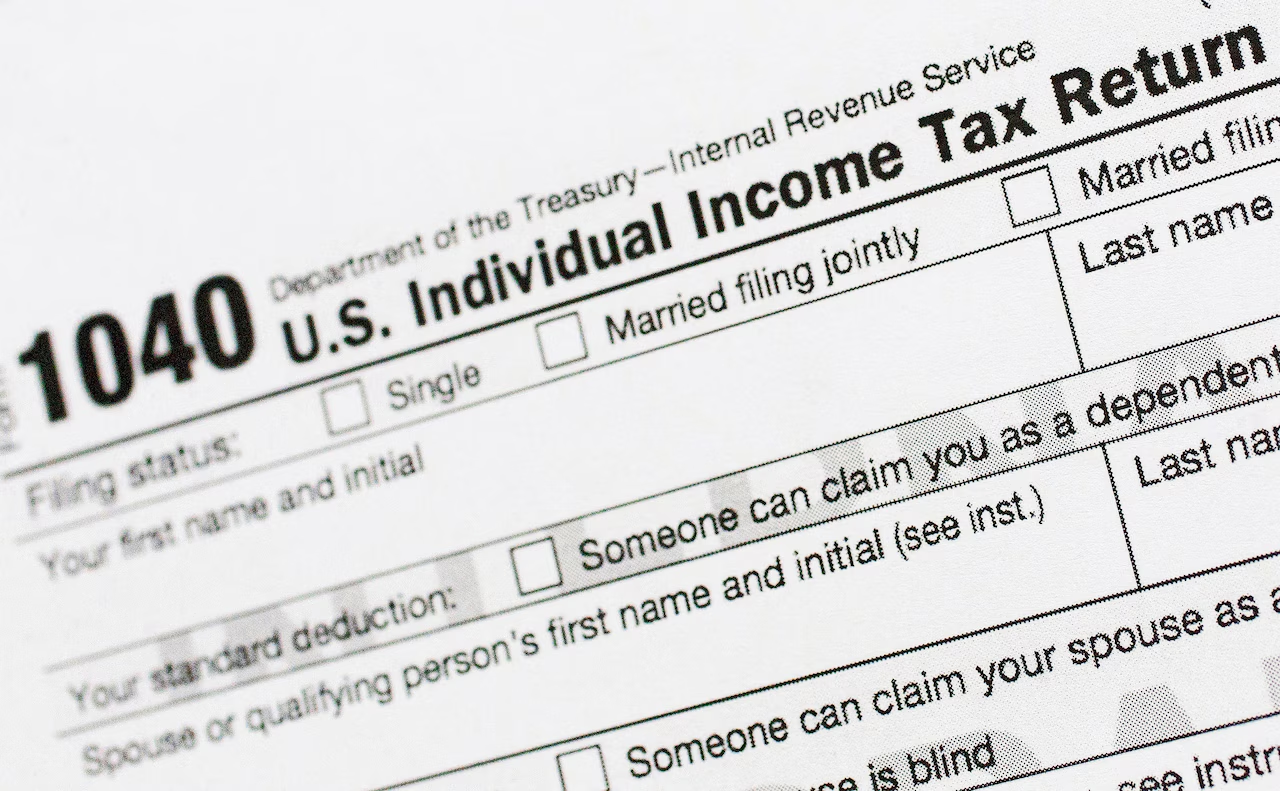
$2,000 Direct Deposit for Eligible Americans in March 2026: In recent weeks, many Americans have come across news and social media discussions about a $2,000 direct deposit expected in March 2026. This topic has created confusion, with many people wondering whether the government has approved a new stimulus payment. However, the truth is that there has been no official announcement of a nationwide $2,000 stimulus check for this period. Most deposits around this amount are actually regular tax refunds issued by the Internal Revenue Service during the tax season.
Understanding this difference is very important. A tax refund is not free money from a new program but rather a return of excess tax that a person has already paid during the year. When taxpayers file their annual returns, the IRS calculates whether they have paid more tax than required. If they have, the extra amount is sent back as a refund.
Why Many Refunds Are Higher in 2026
In the 2026 tax season, many people are noticing that their refunds are larger than usual. This increase is mainly due to recent changes in tax rules that apply to the 2025 tax year. These changes have allowed taxpayers to reduce their taxable income through additional deductions and benefits, which can result in higher refunds.

For example, certain categories of income such as tips and overtime earnings may now qualify for partial deductions. This means that workers who earn extra income through these sources may pay less tax overall. Additionally, older taxpayers may benefit from higher deductions designed to support senior citizens. Some taxpayers may also be able to claim deductions related to loan interest or other eligible expenses.
Because of these adjustments, many individuals are receiving larger refunds than in previous years. In some cases, these refunds may be close to or even exceed $2,000, which is why many people mistakenly believe they are receiving a special government payment.
Understanding Refund Timing During Tax Season
The timing of tax refunds depends on how and when a taxpayer files their return. In most cases, the IRS processes electronically filed returns much faster than paper returns. When a return is filed online and includes correct information, refunds are often issued within 10 to 21 days after acceptance.

During March 2026, many taxpayers who filed their returns earlier in the season are receiving their refunds. This timing has added to the confusion, as people see deposits arriving in their bank accounts and assume they are part of a new stimulus program.
However, the IRS follows a structured processing system. Returns are reviewed, verified, and approved before refunds are issued. If everything is accurate, the process moves quickly. But if there are errors or missing details, the refund may be delayed.
Special Rules That Affect Refund Processing
Certain tax credits can impact when a refund is issued. For example, taxpayers who claim credits like the Earned Income Tax Credit or the Additional Child Tax Credit are subject to additional review. This is done to prevent fraud and ensure that only eligible individuals receive these benefits.

Because of this extra verification, refunds for such claims are usually released after a specific period. In 2026, many of these refunds are being issued between early and mid-March. This explains why a large number of taxpayers are receiving payments around the same time.
Although these delays may seem inconvenient, they are designed to protect taxpayers and maintain the accuracy of the system. Once the review process is complete, refunds are sent through direct deposit or paper checks.
Why Some People Receive Around $2,000
The amount of a tax refund varies for each individual. It depends on factors such as income level, tax withholding, filing status, and eligibility for credits. If a person has paid more tax than required during the year, the difference is returned as a refund.

Tax credits can significantly increase the refund amount. For example, families with children or individuals with lower incomes may qualify for credits that add to their refund. In such cases, the total amount may reach or exceed $2,000.
It is important to remember that this amount is not fixed or guaranteed. Each taxpayer’s refund is calculated based on their unique financial situation. This is why some people receive larger refunds while others receive smaller amounts.
How to Receive Your Refund Faster
Taxpayers who want to receive their refunds quickly should follow certain best practices. Filing tax returns electronically is one of the most effective ways to speed up the process. Electronic filing reduces errors and allows the IRS to process returns more efficiently.

Choosing direct deposit as the payment method is another important step. This option ensures that the refund is sent directly to a bank account, reducing delays associated with mailing paper checks. Providing correct banking details is essential to avoid complications.
The IRS also offers online tools that allow taxpayers to track their refund status. These tools provide updates about whether a return has been received, approved, or sent for payment. Regularly checking these updates can help individuals stay informed about their refund.
Staying Safe from Tax Season Scams
During tax season, there is often an increase in scams related to government payments. Some fraudulent messages claim that individuals need to provide personal information to receive a payment. These messages may appear as emails, texts, or social media posts.

It is important to understand that the IRS does not contact taxpayers in this way. The agency does not ask for sensitive information through unofficial channels. Any message requesting personal or financial details should be treated with caution.
Taxpayers should rely only on official IRS resources when checking their refund status or receiving updates. Staying informed and cautious can help prevent financial loss and protect personal information.
The widely discussed $2,000 direct deposit in March 2026 is not a new stimulus payment but is generally linked to tax refunds issued during the annual filing season. Many taxpayers are receiving higher refunds due to updated tax rules, deductions, and credits that reduce overall tax liability.

Understanding how the refund process works can help individuals avoid confusion and manage their expectations. By filing accurate returns, choosing direct deposit, and using official IRS tools, taxpayers can receive their refunds quickly and securely. For many households, these refunds provide valuable financial support and help meet important expenses.
Disclaimer
This article is for informational purposes only and should not be considered financial or tax advice. Refund amounts, eligibility, and processing timelines may vary based on individual circumstances and official IRS policies. Readers are advised to consult official IRS sources or a qualified tax professional for accurate and updated information.