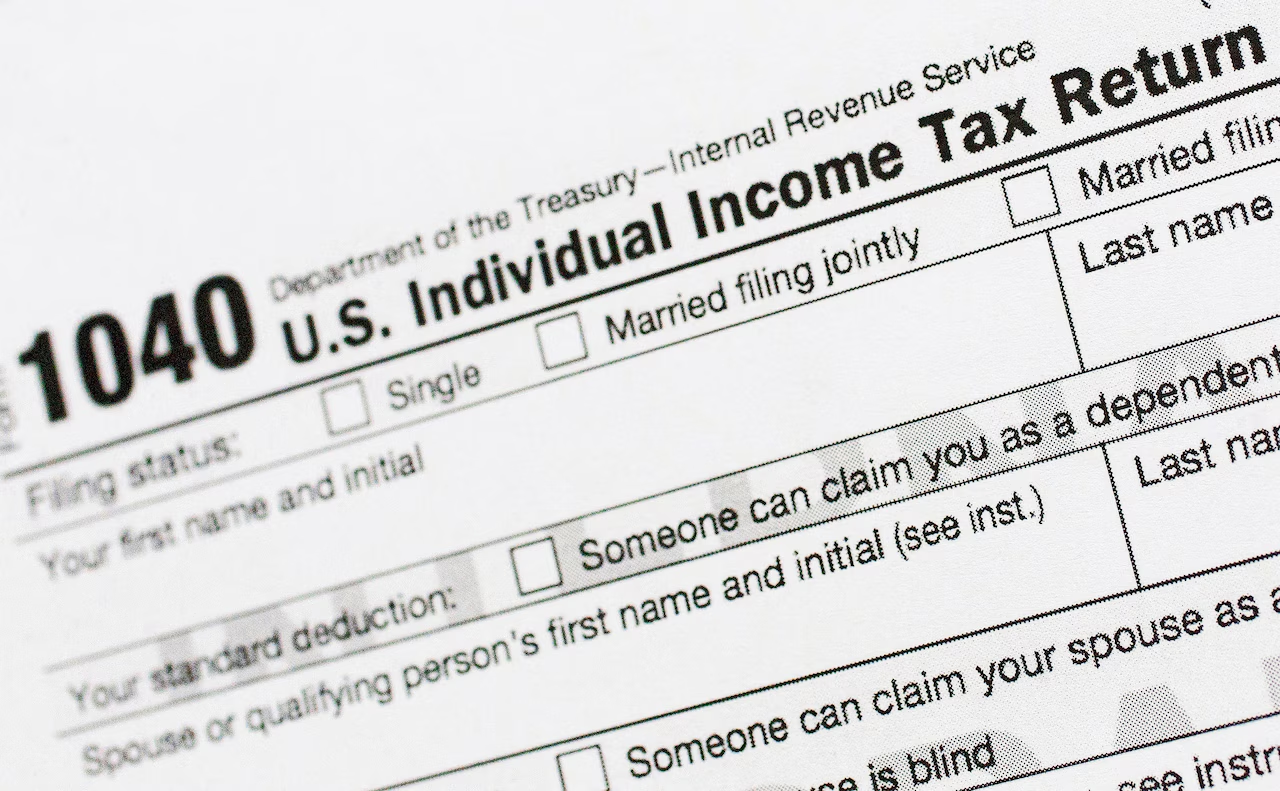
2026 IRS Tax Refund Update: As the 2026 tax season begins, many taxpayers across the United States are waiting for their IRS refunds. For many people, this refund is not just extra money but an important financial support. It helps in managing daily expenses, paying bills, or saving for future needs. Because of this, understanding how and when refunds are issued becomes very important. This year also brings some updates that may affect both timing and refund amounts.
When Will You Receive Your Refund
The timing of tax refunds in 2026 depends mainly on how and when you file your return. The IRS usually starts processing tax returns in late January. If you file early and choose direct deposit, you may receive your refund by mid-February. A major wave of refunds is expected around March 19, 2026, especially for early filers. Most electronic returns are processed within about 21 days, making them the fastest option for receiving money.
Difference Between E-Filing and Paper Filing
The method you choose to file your taxes plays a big role in how quickly you receive your refund. Electronic filing, also known as e-filing, is the fastest and most efficient method. It allows the IRS to process your return quickly with fewer chances of errors. On the other hand, paper filing takes more time because it requires manual processing. If you file a paper return, you may need to wait up to six weeks or even longer to receive your refund.

Changes in the 2026 Tax Season
This year, the IRS has introduced some changes that may impact refund timing. One of the major changes is the improvement in fraud detection systems. These systems are designed to prevent identity theft and fake claims. While this is beneficial for security, it may cause delays if your return is selected for additional checks. Some tax credits and deductions have also been updated or removed, which can affect the final refund amount you receive.
Impact of Tax Credits on Refund Timing
Certain tax credits can also influence how quickly your refund is processed. Taxpayers who claim credits like the Earned Income Tax Credit or the Additional Child Tax Credit may experience delays. This is because the IRS is required to verify these claims carefully before releasing refunds. These additional checks are done to prevent misuse of benefits. As a result, even if you file early, your refund may take extra time if you claim these credits.
How to Avoid Delays in Refund
To receive your refund on time, it is important to file your tax return accurately. Small mistakes such as wrong Social Security numbers or spelling errors can cause delays. Double-checking all details before submission can save time later. Using trusted tax software or taking help from a professional can also reduce the chances of errors. Filing electronically and choosing direct deposit is the best way to get your refund quickly and safely.

Importance of Direct Deposit
Direct deposit is one of the easiest and fastest ways to receive your tax refund. Instead of waiting for a paper check in the mail, the money is directly transferred to your bank account. This reduces the chances of delays or lost checks. It also ensures that your refund reaches you securely. Most taxpayers prefer this option because it is convenient and saves time compared to traditional methods.
Tracking Your Refund Status
After filing your tax return, it is natural to feel curious about the status of your refund. The IRS provides an online tool called “Where’s My Refund?” which helps you track your return. This tool shows three main stages: when your return is received, when it is approved, and when the refund is sent. You can check your status within 24 hours of e-filing or after a few weeks if you mailed your return.
What to Expect Around March 2026
March 2026 is expected to be an important period for taxpayers waiting for refunds. Around March 19, a large number of refunds are likely to be issued. This mainly includes people who filed early and used electronic filing methods. By this time, many taxpayers will also receive updates about their refund status. If there are no issues with the return, most refunds should be processed smoothly during this period.

Preparing for Future Tax Seasons
While focusing on the current tax season, it is also important to plan for the future. Keeping your financial records organized throughout the year can make tax filing easier. It helps in avoiding last-minute stress and reduces the chances of mistakes. You can also adjust your tax withholding if needed. This ensures that you neither pay too much tax nor receive a very large refund at the end of the year.
Importance of Staying Informed
Tax rules and regulations can change from time to time, and staying informed is very important. Knowing about new laws, updated credits, or changes in filing rules can help you make better financial decisions. It also ensures that you are fully prepared when the next tax season arrives. Being aware of these updates allows you to plan your finances more effectively and avoid surprises.
The 2026 IRS tax refund process offers both opportunities and challenges for taxpayers. While faster methods like e-filing and direct deposit can help you receive your refund quickly, new security measures may cause delays in some cases. By filing accurately and staying informed, you can make the process smoother. Understanding the timeline and preparing in advance will help ensure that your refund arrives without unnecessary delays.

Disclaimer
This article is for general informational purposes only and does not provide legal or financial advice. Tax rules and refund timelines may change, and individual situations can vary. For accurate guidance related to your personal tax situation, it is recommended to consult a qualified tax professional or financial advisor.